Mercedes W211, W219, W209: why do Keyless GO door handles fail?
In our experience, door handles are the weakest part of the Keyless system in Mercedes E-Class W211, CLS W219 and CLK W209 vehicles. They fail frequently, whether they are old or newly fitted replacements. If none of the handles in your car has ever been replaced or repaired, there is a good chance that none of them still works.
Moisture damages them. We will show you why this happens and what you can do about it.
How does water get into a door handle?
In the original handle, a thin rubber membrane is the only seal around the opening button. It must both seal and support the button, so it moves every time the door is opened. In our experience, it can fail after just two to three years and let water in.
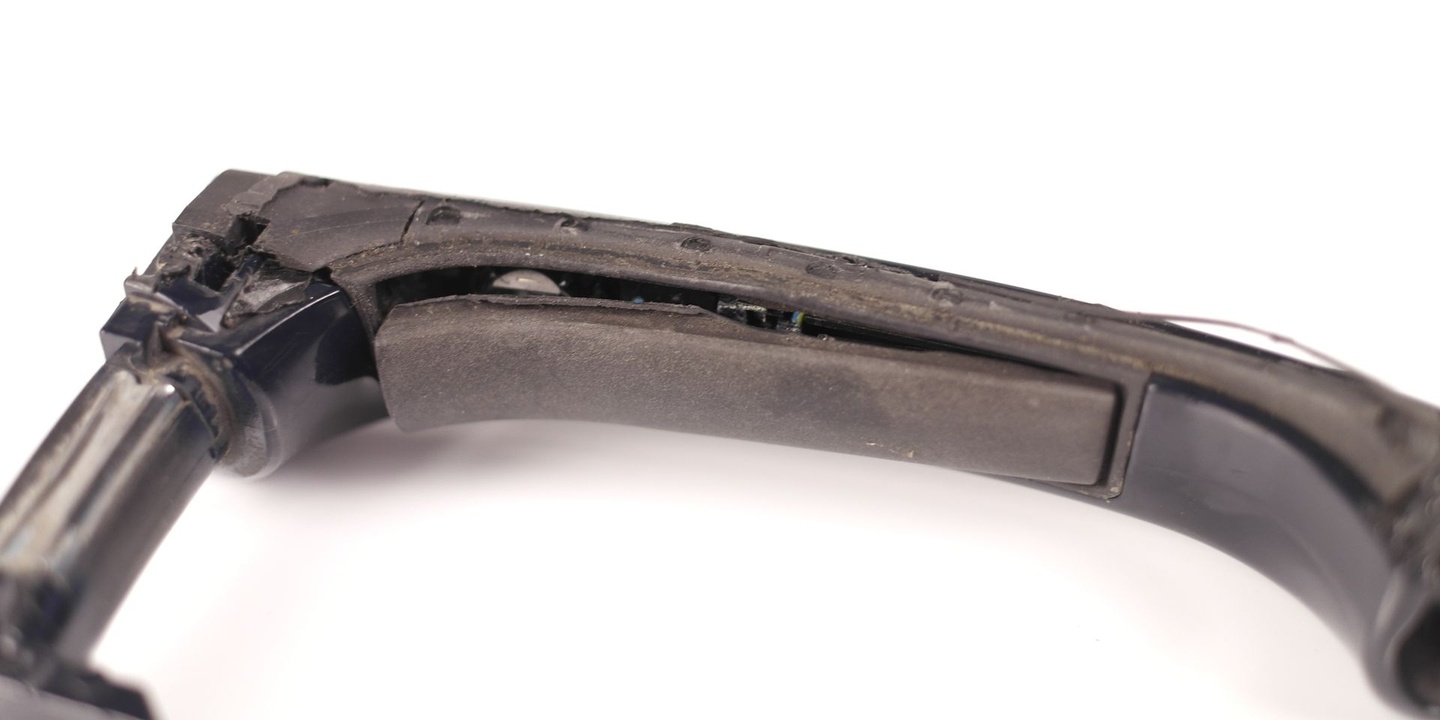
This is what a damaged membrane looks like.
The electronics and microswitches inside the handle that activate the system have no separate protection against moisture. If water finds any way in — past the opening or locking button or beneath the chrome trim — it reaches those parts directly. Corrosion follows, and Keyless stops working.
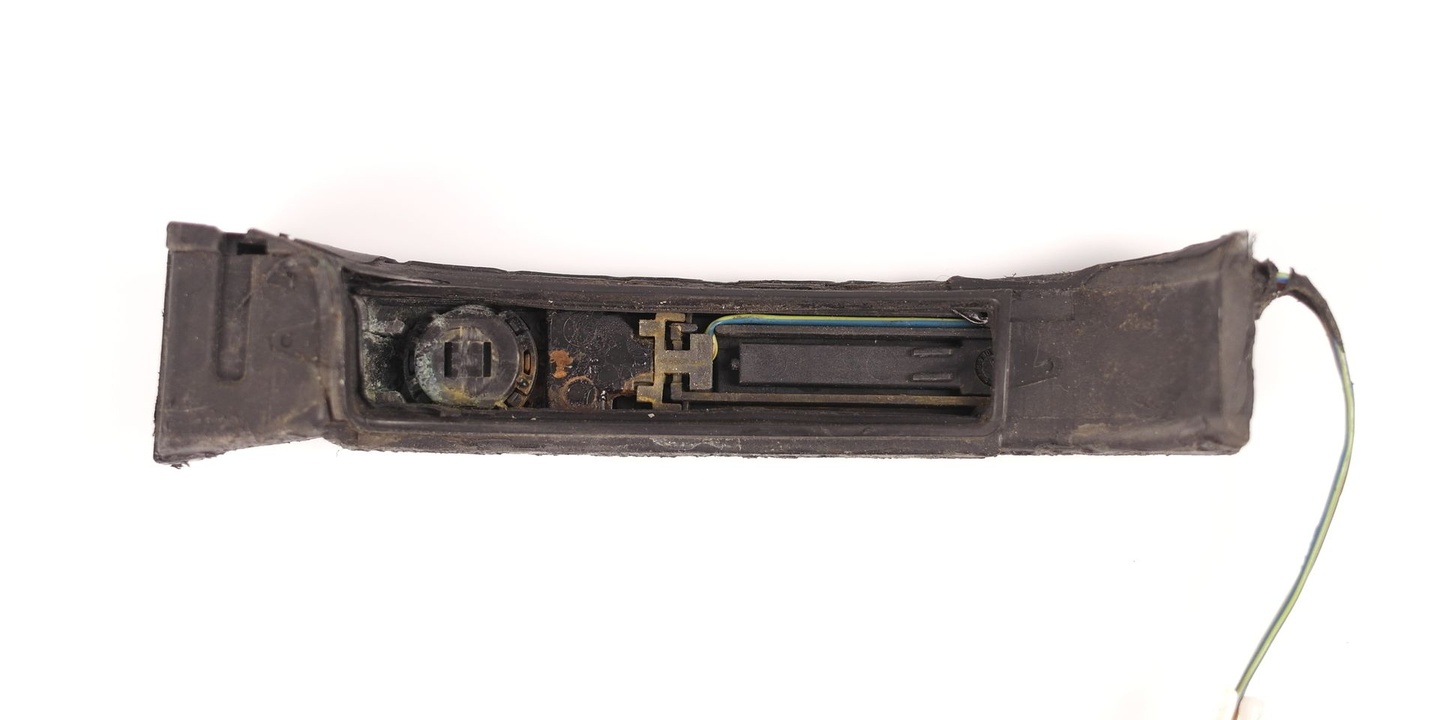
This is what the corroded inside of an original Keyless handle looks like.
We cut open an original handle to show how it is built. There are empty spaces inside, and nothing shields the electronics and microswitches.
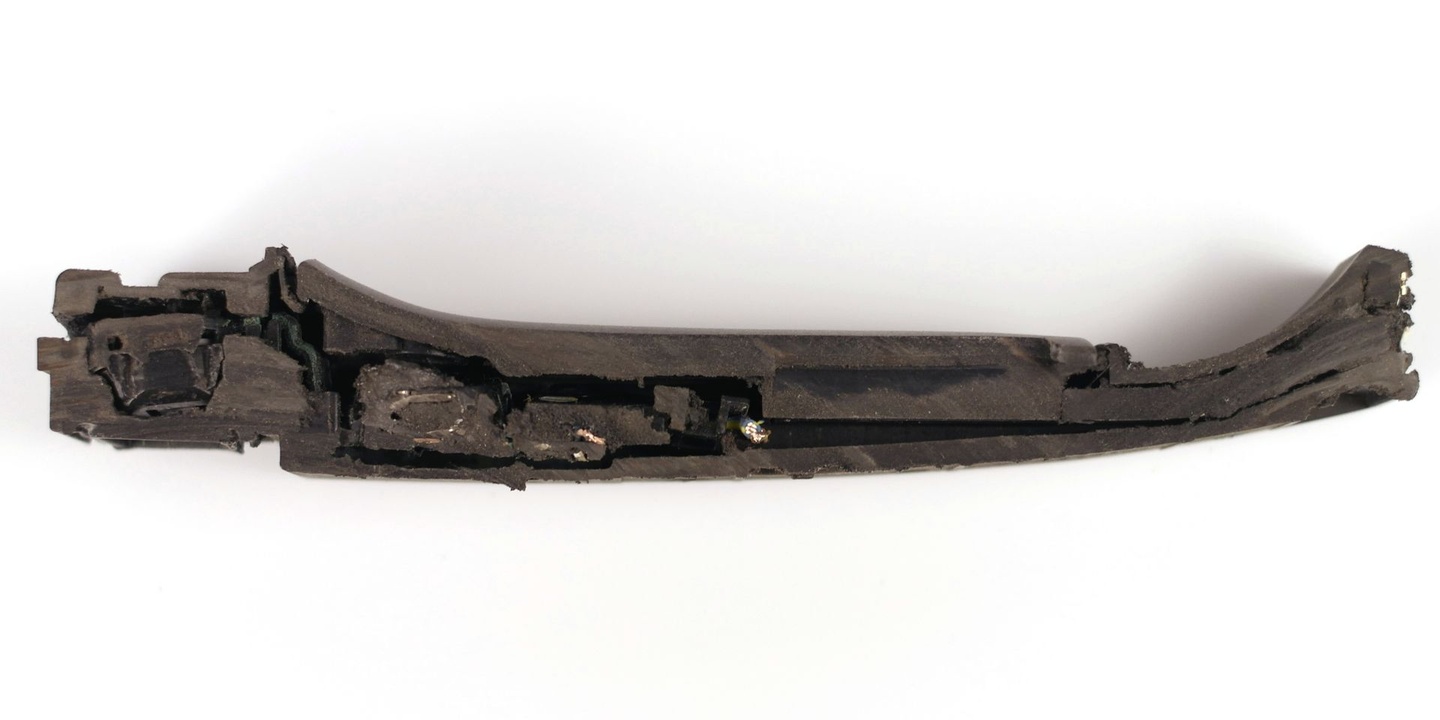
The cross-section shows empty spaces where water can enter and damage the electronics.
Is there a lasting solution?
The problem lies in the handle's design. In our experience, finding a working used handle is extremely difficult, and even buying a new original can be hard. If you do find one, it has the same design weakness and is likely to fail again soon.
You can instead repair the faulty handle with our MBKeyless repair kit. We designed our module to fit where the original one sits, but its construction and moisture protection are entirely different.
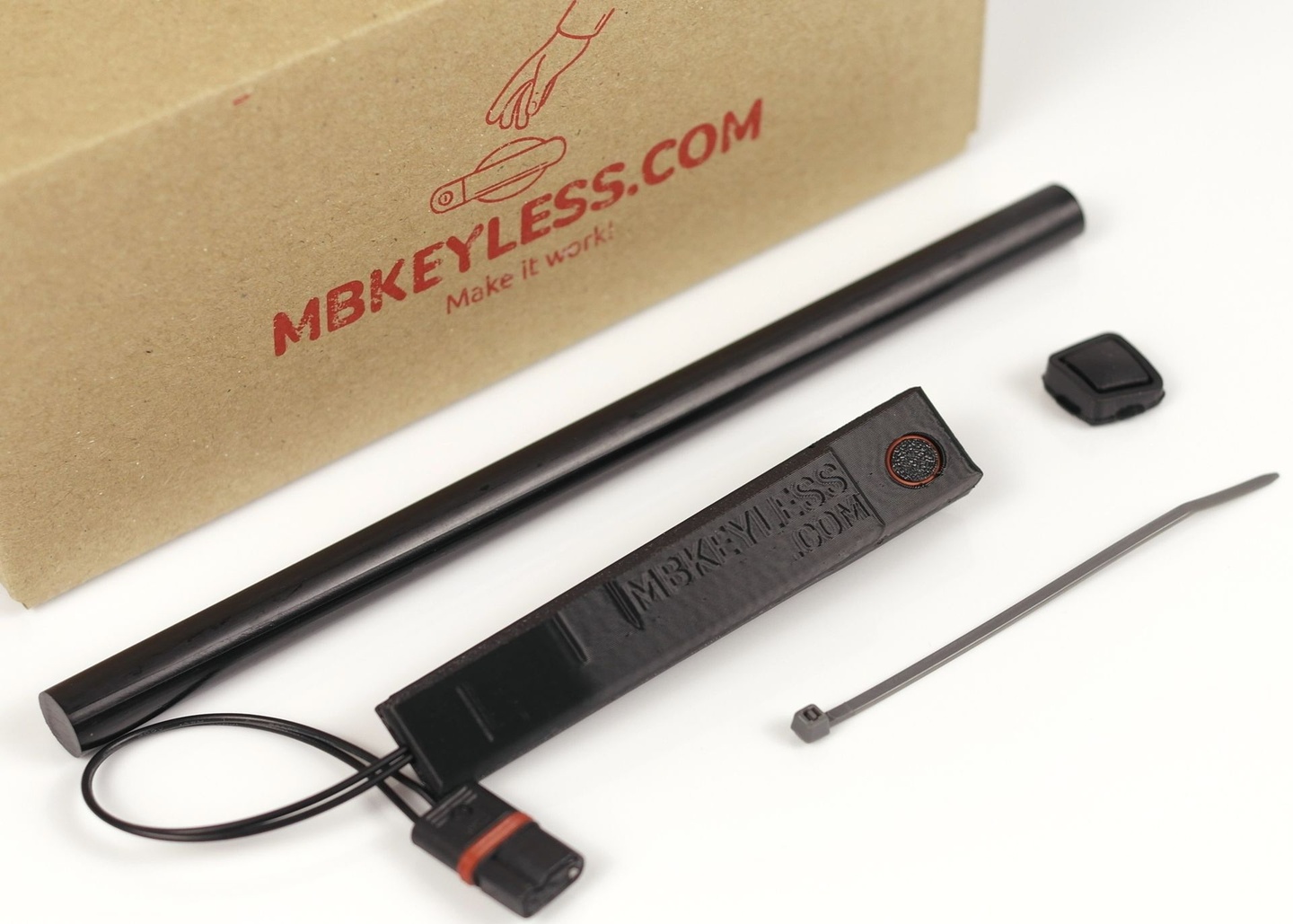
The original handle housing stays in place. This preserves the car's original appearance and avoids repainting.
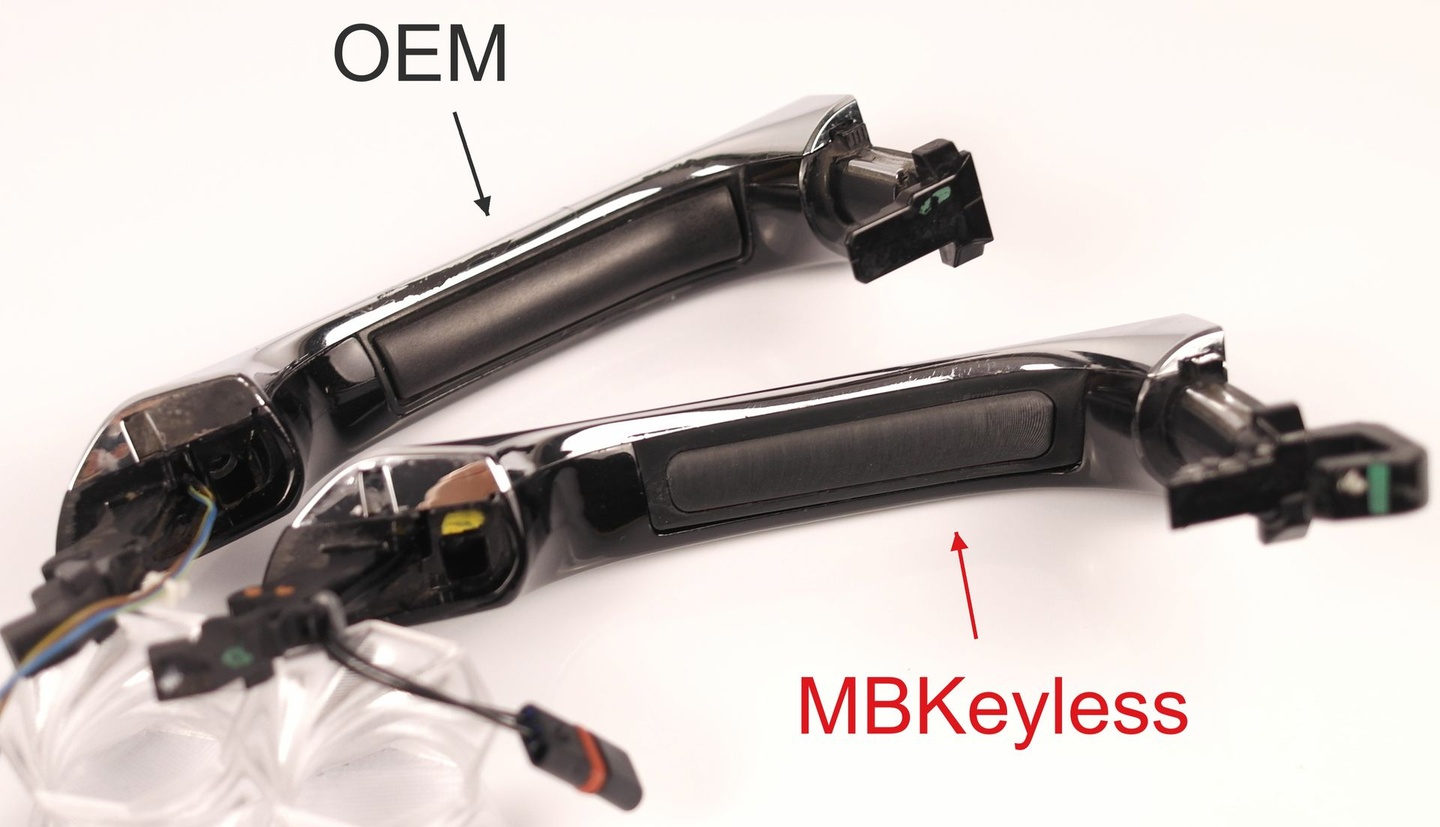
How do we protect the inside of an MBKeyless module?
First: all electronics are enclosed in a separate chamber and potted in a special resin. The resin surrounds components and connections, protecting them from moisture. The electronics therefore do not rely on the button seals alone: they have their own barrier even if a seal is damaged.
To check the fill, we made transparent test modules and cut them open. We wanted to see whether the resin covered the electronics thoroughly and left no voids where moisture could collect.
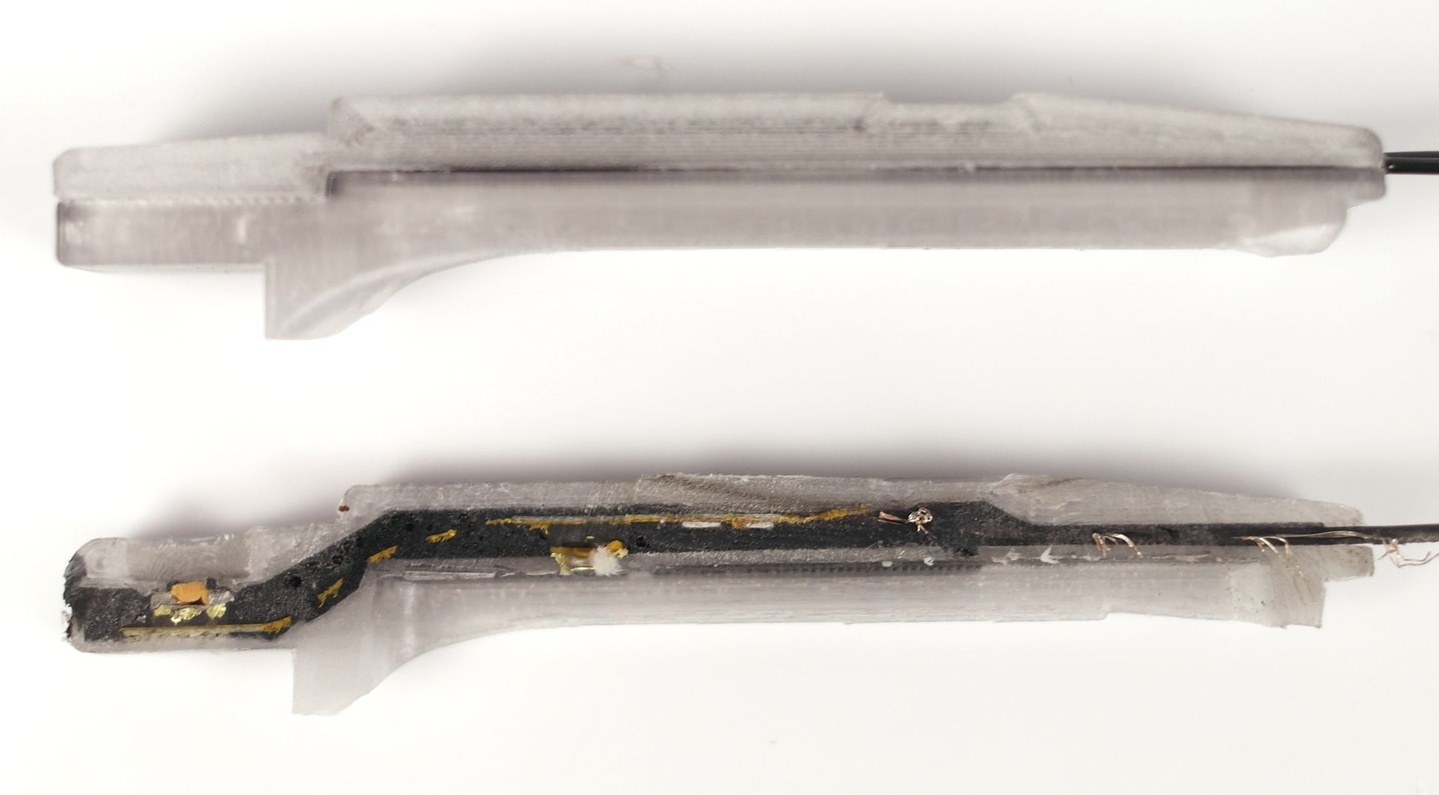
The electronics in MBKeyless modules are hermetically sealed.
Second: an additional layer of protection is the thick O-ring we use instead of a thin membrane. It does not support the button or bear the loads that come with that job. Its sole purpose is sealing, so it does not wear in the same way as the original membrane. It can also be removed and refitted without damaging the module.
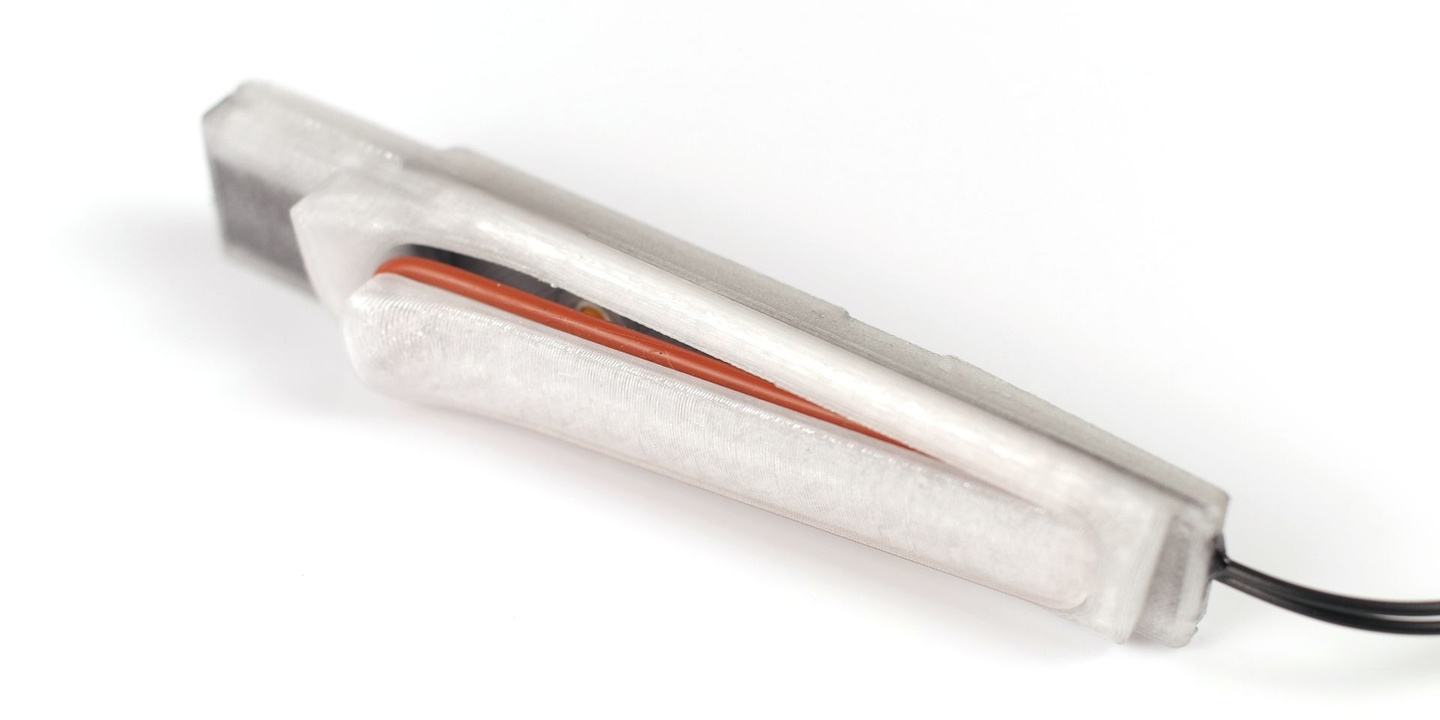
Thick silicone seal around the MBKeyless button.
This is how we protect the electronics against moisture, the main cause of failure in original handles.
After two years of sales, we have 174 reviews, 100% positive! Below are ratings from our customers on eBay and Allegro.
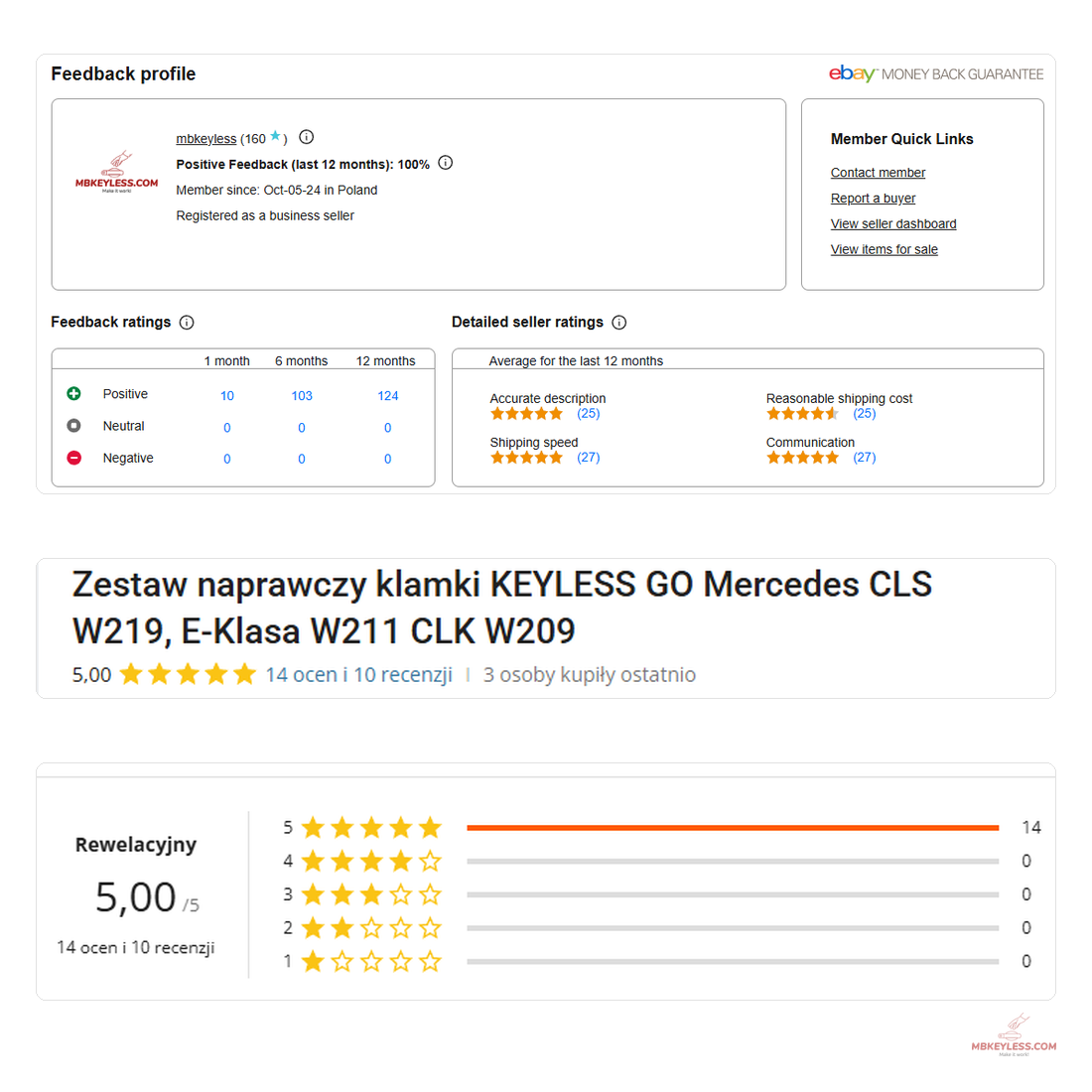
As of 22 September 2026.
View W211, W219 and W209 repair kits in the MBKeyless shop →